
Keyhole vs. Open Surgery: What’s the Difference?

If you or a loved one is facing surgery, you’ve probably heard the terms “keyhole” or “laparoscopic” surgery alongside the more familiar “open” surgery. Understanding the difference can help you feel more confident about your treatment and recovery.

What is open surgery?

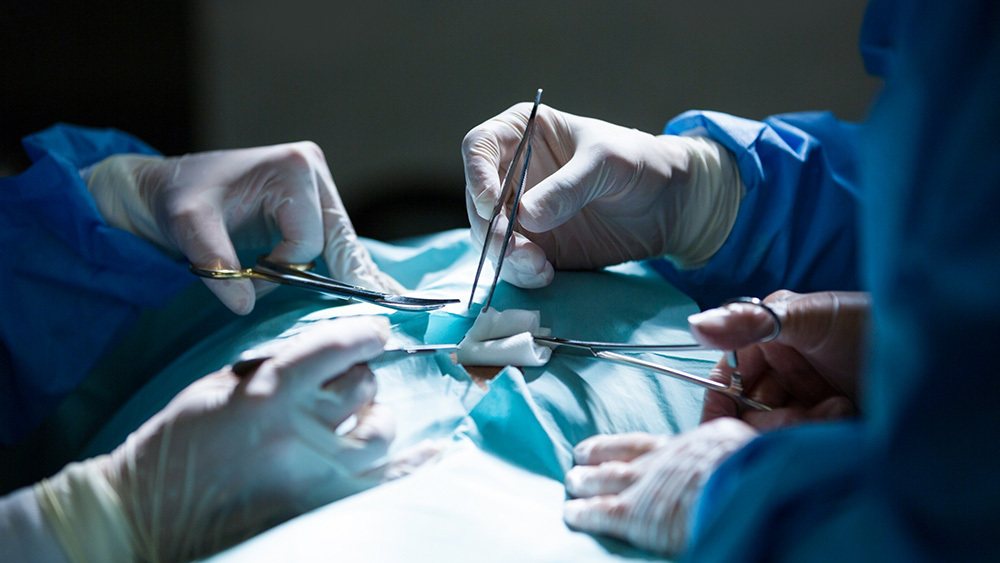
Open surgery is the traditional approach, where the surgeon makes a single, larger incision to access the area being treated. It gives a direct, wide view of the organs and tissues, and remains the right choice for many complex or emergency procedures.

What is keyhole (laparoscopic) surgery?

In keyhole surgery, the procedure is performed through several small incisions — usually less than a centimetre each. A thin tube with a camera (a laparoscope) projects a magnified view onto a screen, and specialised instruments are passed through the other small openings.

lightbulb Key takeaway

Smaller incisions generally mean less pain, lower infection risk, minimal scarring, and a faster return to everyday life.

Benefits of the minimally invasive approach

  • Faster recovery — many patients go home the same or next day.
  • Less post-operative pain and a reduced need for strong painkillers.
  • Minimal scarring thanks to the small incision sizes.
  • Lower infection risk and fewer wound-related complications.

Which one is right for you?

Not every condition is suited to keyhole surgery, and the best approach depends on your diagnosis, medical history, and overall health. During your consultation, Dr. Singh will explain your options clearly and recommend the safest, most effective path for your situation.

“The goal is always the same — the best possible outcome with the least possible disruption to your life.”

If you have questions about an upcoming procedure or want to understand whether minimally invasive surgery is an option for you, a consultation is the best place to start.