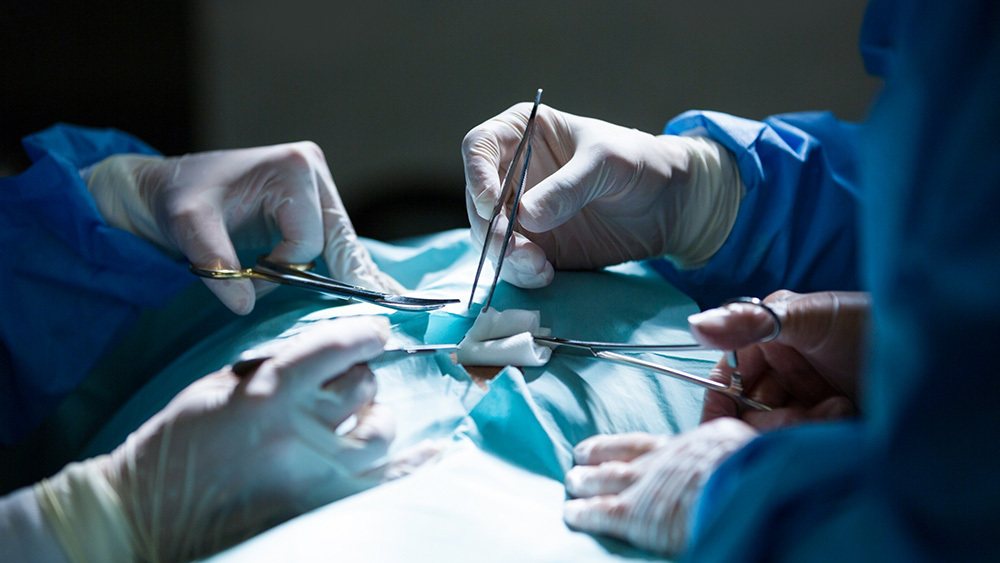
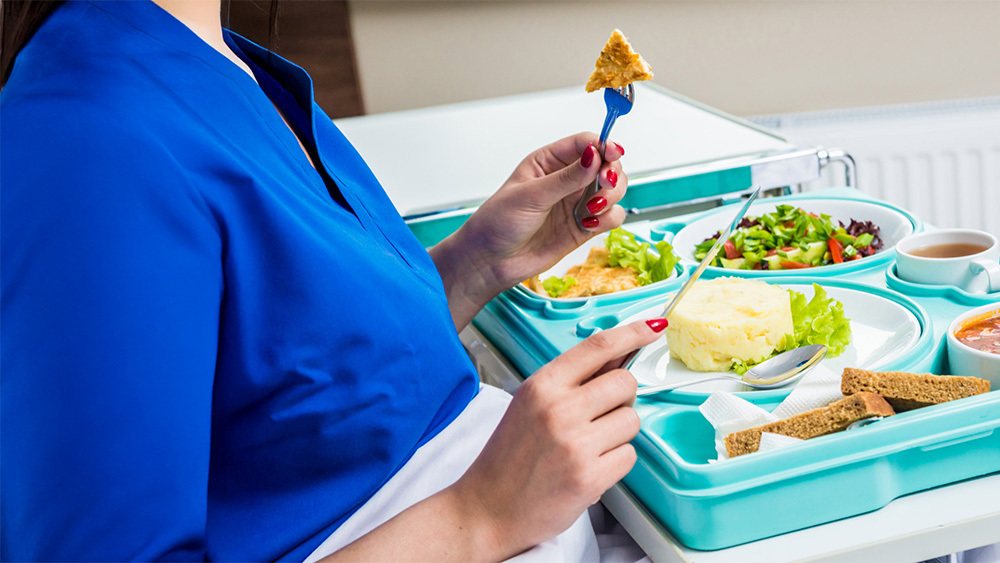
Appendix surgery, or an appendectomy, removes an inflamed or infected appendix. After the operation, appetite, digestion, and bowel movements may take time to return to normal. Choosing simple, nourishing foods can reduce discomfort and support healing.
Knowing what to eat after appendix surgery does not mean following one strict menu. Many patients can drink soon after the operation and eat when they feel hungry, unless their surgical team advises otherwise. Recovery may be slower if the appendix ruptured or infection spread.
Understanding Appendix Surgery
An appendectomy may be performed through small incisions using laparoscopic surgery or through a larger incision during open surgery. Recovery depends on the severity of appendicitis and whether complications occurred.
Anaesthesia, pain medicines and reduced movement can temporarily cause nausea, bloating or constipation. A suitable diet helps restore fluids and energy, provides protein for tissue repair and supports regular bowel movements.
“Dry appendix surgery” is not commonly used as a formal medical diagnosis. In this context, it generally refers to surgery for an uncomplicated or non-ruptured appendix.
Diet Stages After Appendix Surgery
These stages are a guide, not a fixed schedule. Progress according to your appetite, symptoms, and surgeon’s advice.
1. Stage 1 – Clear Liquid Diet (First 1-2 Days)
If you feel nauseated, begin with small sips of water, oral rehydration solution or clear broth. You may not need to remain on clear liquids for one or two full days after an uncomplicated appendectomy.
Drink slowly and contact your care team if you cannot keep fluids down.
2. Stage 2 – Full Liquid Diet (Day 2-3)
Once clear fluids are comfortable, try smooth soup, milk, yoghurt drinks, thin porridge or buttermilk. Choose lactose-free options if dairy causes gas or diarrhoea.
Not every patient needs a separate full-liquid stage. Some can move directly to light, soft meals.
3. Stage 3 – Soft/Semi-Solid Diet (Day 3-7)
Useful options include khichdi, soft rice, oats, idli, mashed potatoes, yoghurt, eggs, dal and well-cooked vegetables.
Eat small portions and introduce foods gradually. Step back temporarily if a food causes significant nausea, cramping or bloating.
4. Stage 4 – Regular Light Diet (Day 7-21)
As symptoms improve, return gradually to balanced home-cooked meals. Include grains, vegetables, fruit and protein. There is no need to wait 21 days before eating normally if your surgeon has cleared you and food is well tolerated.
Diet progression after abdominal surgery should be based on the operation performed and how well the digestive system responds.
Detailed List: What to Eat After Appendix Surgery
The best food to eat after appendix surgery is nourishing, easy to tolerate, and suitable for your stage of recovery.
1. High-Protein Foods
Protein supports tissue repair and wound healing.
Options
- Eggs
- Fish or tender chicken
- Paneer or tofu
- Milk, curd or Greek yoghurt
- Smooth dal or lentils
- Protein-rich soups
Begin with smaller portions if your appetite is low.
2. Fibre-Rich Foods
Constipation is common after surgery, especially when opioid pain medicine is used. Fruit, vegetables, pulses, oats and whole grains can help once tolerated.
Increase fibre gradually and drink enough fluids. A sudden increase may worsen gas. Follow your surgeon’s advice if a temporary low-fibre diet is recommended.
3. Hydrating Liquids
Suitable choices include:
- Water
- Oral rehydration solution when advised
- Clear or blended soups
- Coconut water
- Milk or buttermilk
- Diluted, non-acidic juice
Choose fluids you can tolerate and avoid using sugary drinks as a replacement for water or balanced meals.
4. Easily Digestible Carbs
Soft rice, toast, porridge, potatoes, idli and plain crackers provide energy when appetite is limited. Combine them with protein when possible.
5. Probiotics for Gut Health
Curd, yoghurt and buttermilk may support digestion for some patients. However, probiotics do not prevent a surgical infection and should not replace prescribed antibiotics or proper wound care.
Foods to Avoid After Appendix Surgery
Restrictions should be based on tolerance rather than an unnecessarily long list of banned foods.
1. Fried and Oily Foods
Deep-fried or rich meals may worsen nausea, reflux and bloating. Limit fast food, chips, pakoras and heavy gravies until digestion improves.
2. Spicy and Masala-Rich Foods
Spicy foods may aggravate acidity, diarrhoea or stomach discomfort in some patients. Reintroduce spices gradually instead of returning immediately to heavily seasoned meals.
3. Gassy and Bloating Foods
Beans, chickpeas, cabbage and cauliflower may increase gas initially. These foods are nutritious, so they do not need to be avoided permanently. Try small, well-cooked portions later in recovery.
4. High-Fiber Raw Foods (Initially)
Large salads, raw vegetables, bran and whole pulses may be difficult to tolerate immediately after abdominal surgery. Begin with cooked or peeled produce and gradually add more texture.
5. Carbonated Drinks and Soda
Fizzy drinks can increase belching and bloating. Still water and other non-carbonated fluids are generally more comfortable choices during early recovery.
6. Caffeine (Tea, Coffee)
Strong tea or coffee may worsen nausea, reflux, or bowel urgency. Small amounts may be acceptable once you are eating and drinking normally.
Avoid alcohol while taking medicines that interact with it and until your surgeon says it is safe.
Tips for Faster Healing After Appendix Surgery
- Eat smaller meals if your appetite is reduced.
- Chew slowly and stop when comfortably full.
- Include a source of protein regularly.
- Drink enough fluid unless medically restricted.
- Walk gently when your surgeon permits.
- Take prescribed medicines correctly.
- Follow all wound-care instructions.
- Avoid smoking and heavy lifting.
Seek medical advice if you experience persistent vomiting, worsening abdominal pain, fever, increasing wound redness, severe swelling, or an inability to pass stool or gas.
When Can You Return to Normal Food?
Many people can eat according to appetite soon after an uncomplicated appendectomy. Others may need several days of lighter food. A ruptured appendix, open surgery, infection, or ongoing nausea can delay progression.
Return to normal meals gradually and follow the discharge plan provided by your surgical team.
Conclusion
Understanding what to eat after appendix surgery can make recovery more comfortable, but no single diet suits everyone. Start with fluids or light foods when needed, then add soft meals, protein, vegetables, fruit and fibre as tolerated.
Avoid foods that clearly worsen nausea, gas or discomfort rather than following unnecessary restrictions for several weeks. Your surgeon’s advice should always take priority, especially after a ruptured appendix or complicated operation.
Frequently Asked Questions
1. What should I eat after appendix surgery?
Begin with fluids or light foods if you feel nauseated. Khichdi, oats, eggs, yoghurt, dal, soup, rice and cooked vegetables are practical options.
2. How long should I follow a soft diet after appendix surgery?
Follow it only as long as needed for comfort or advised by your surgeon. Some patients resume normal food quickly, while complicated cases require slower progression.
3. Can I drink milk after appendix surgery?
Yes, if you tolerate it. Reduce or avoid it temporarily if it causes bloating, cramps or diarrhoea.
4. What foods should I avoid after appendix surgery?
Initially limit foods that worsen your symptoms, especially very greasy, spicy, rich or fizzy items. Follow any specific restrictions given by your surgical team.
5. Is eating after dry appendix surgery different?
“Dry appendix” generally refers to uncomplicated appendicitis. These patients may progress to normal food faster than people treated after a rupture or widespread abdominal infection.
6. Can I eat fruits after appendix surgery?
Yes. Start with soft or peeled fruit such as banana, papaya, stewed apple or pear if raw fruit feels uncomfortable.
7. When can I eat normal food again?
You can gradually return when food is tolerated without significant nausea, vomiting, or worsening pain and your surgical team has not given additional restrictions.