Laparoscopic surgery is a minimally invasive technique used for gallbladder, appendix, hernia, gynaecological, and other abdominal or pelvic procedures. Because it usually involves smaller incisions and faster recovery than open surgery, patients are often surprised when their weight rises afterward.
So, does laparoscopic surgery cause weight gain? Not directly. The procedure does not automatically increase body fat. Temporary fluid retention, bloating, constipation, reduced activity, and changes in eating habits can affect the scale during recovery. The exact pattern depends on the operation, your health and the medicines used.
Understanding Laparoscopic Surgery
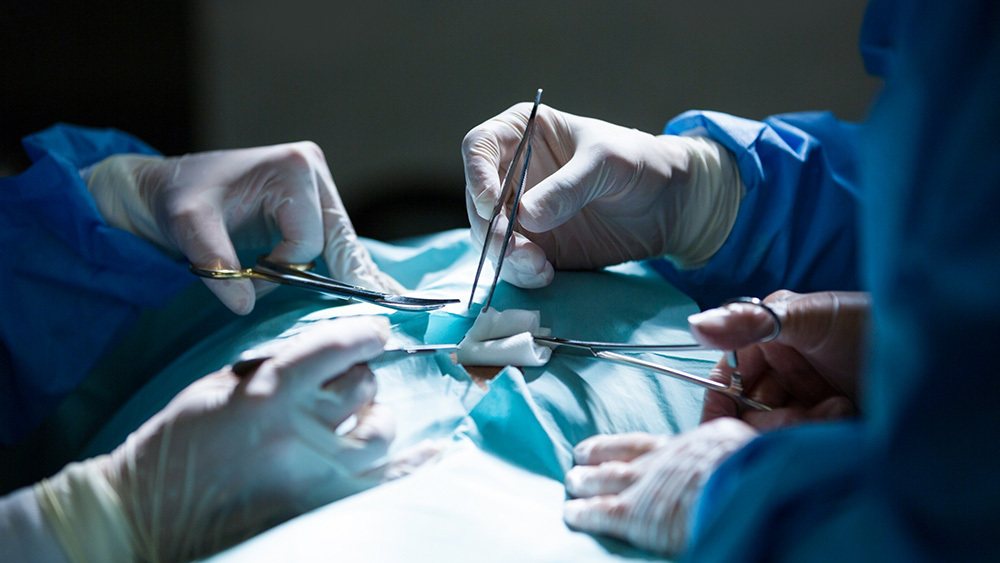
During laparoscopic surgery, a surgeon inserts a small camera through a tiny incision. Additional instruments may be introduced through other small cuts to examine, repair, or remove tissue.
Common benefits include:
- Smaller incisions and scars
- Less postoperative discomfort
- Shorter hospital stays
- Faster return to daily activities
- Lower risk of some wound complications
Laparoscopy is still surgery. Anaesthesia, IV fluids, inflammation and temporary changes in movement can all influence how your body feels and what the scale shows.
Does Laparoscopic Surgery Cause Weight Gain?
Laparoscopic surgery itself does not cause fat gain. A sudden increase shortly after surgery is more likely to reflect fluid, swelling, constipation or digestive contents than new body fat.
Gradual weight gain may occur when activity remains low while calorie intake stays the same or increases. In that situation, the recovery routine, not the laparoscopic technique, is usually responsible.
Common Reasons for Weight Gain After Laparoscopic Surgery
1. Temporary Fluid Retention After Surgery
Patients often receive IV fluids during an operation, while the body’s healing response can cause temporary swelling. This may produce a quick increase on the scale without adding body fat.
Fluid-related changes should improve gradually. Contact your healthcare team if swelling worsens or appears with breathing difficulty. Rapid weight gain, swelling, and shortness of breath can be signs of excess fluid that requires medical attention.
2. Reduced Physical Activity During Recovery
Rest is necessary, but many patients move less for several days or weeks. Lower activity reduces calorie expenditure and may weaken muscles if inactivity continues.
Gentle walking is often encouraged once safe, but your surgeon’s instructions should always come first. Early, appropriate movement can also support circulation, digestion and overall recovery.
3. Changes in Diet and Eating Habits
Recovery can disrupt appetite and meal timing. Some people snack more while resting, depend on calorie-dense convenience foods, or continue eating normal portions despite moving less.
Regular meals with protein, vegetables, fruit, and whole grains can support healing without adding unnecessary calories.
4. Effect of Post-Surgery Medications
Medicines affect patients differently. Opioid painkillers can cause drowsiness and constipation, reducing movement and increasing bloating. Corticosteroids, when medically required, may increase appetite or fluid retention.
Never stop or alter prescribed medication without consulting your doctor.
5. Constipation and Slower Digestion
Anaesthesia, opioid medicines, reduced activity and dietary changes can slow bowel movements. Constipation and trapped gas may make the abdomen feel heavier or swollen.
Walking, suitable fluids and fibre may help, but advice differs after bowel or abdominal surgery. Ask your surgical team before using a laxative or changing your diet significantly.
How Long Does Weight Gain Last After Laparoscopic Surgery?
There is no universal timeline. Bloating and fluid retention may improve as excess fluid clears and inflammation settles. Constipation-related weight usually reduces once normal bowel function returns.
Recovery varies according to the procedure, medications and general health. Contact your doctor if weight keeps rising, fails to settle or occurs with persistent swelling.
Can Laparoscopic Surgery Cause Long-Term Weight Gain?
Laparoscopic surgery does not usually cause permanent weight gain by itself. Longer-term changes are more often linked to reduced activity, eating habits, an underlying condition, or the specific organ involved in the operation.
Some procedures can affect digestion, hormones or appetite. Your surgeon can explain what is expected in your case.
How to Prevent Weight Gain After Laparoscopic Surgery
1. Follow a Balanced Diet During Recovery
Choose easy-to-tolerate foods that support healing. Include adequate protein, vegetables, fruit, and whole grains when permitted. Limit frequent fried foods, sugary drinks and highly processed snacks. Avoid crash diets because your body needs nutrients to repair tissue.
2. Resume Gentle Physical Activity
Begin with short walks when your healthcare team says it is safe. Increase activity gradually and stop if you develop significant pain, dizziness, or breathlessness. Avoid heavy lifting and strenuous exercise until cleared.
3. Stay Well Hydrated
Appropriate fluid intake supports digestion and may help prevent constipation. However, people with heart, kidney or liver conditions may need restrictions. Follow your doctor’s advice instead of forcing extra water.
4. Control Portions and Eating Habits Mindfully
Eat slowly, pay attention to fullness, and adjust portions to your temporary activity level. Planning simple meals can reduce boredom-driven snacking. Do not skip meals because of a short-term change on the scale.
5. Follow Medical Advice
Take medicines as prescribed, attend follow-ups, and follow procedure-specific instructions. Your surgeon should guide when you can walk, drive, lift, work, and resume exercise.
When Should You Be Concerned About Weight Gain?
Seek medical advice if rapid weight gain occurs with:
- Increasing swelling in the abdomen, legs or face
- Shortness of breath or chest pain
- Reduced urination
- Persistent vomiting
- Severe or worsening abdominal pain
- Inability to pass stool or gas
- Fever, wound redness or discharge
These symptoms may indicate fluid overload, infection, bowel problems or another complication requiring assessment.
Final Thoughts
Does laparoscopic surgery cause weight gain? In most cases, no. A temporary increase is usually connected to fluid retention, swelling, constipation, reduced movement, or dietary changes.
Focus on healing instead of reacting to daily scale changes. Follow your surgeon’s recovery plan and seek advice when weight gain is rapid, persistent or accompanied by concerning symptoms.
Frequently Asked Questions
1. Does laparoscopic surgery cause weight gain permanently?
Not usually. Persistent gain is more likely to involve lifestyle factors, an underlying condition or effects related to the specific operation.
2. Does weight gain happen after laparoscopic surgery for everyone?
No. Some patients gain temporarily, some remain stable, and others lose weight because appetite or food intake decreases.
3. How much weight gain is normal after laparoscopic surgery?
There is no universal amount. Its significance depends on how quickly it happens, the procedure performed, and whether other symptoms are present.
4. Can walking help prevent weight gain after surgery?
Yes. Once approved, walking supports circulation, bowel function, mobility and a gradual return to normal activity.
5. Does anesthesia cause weight gain?
Anaesthesia does not directly create body fat. It may temporarily contribute to reduced activity, nausea or slower bowel function.
6. When can I exercise after laparoscopic surgery?
Timing varies by procedure. Light walking may begin early, while vigorous exercise and lifting require your surgeon’s approval.
7. Should I diet strictly after laparoscopic surgery?
No. Prioritise balanced nutrition and healing. Discuss calorie restriction with a doctor or dietitian, particularly after gastrointestinal surgery.